
Featured Articles
Welcome to The Royal Articles!
- By The Royal Articles editor
- Published 11/6/2007
- General Interest

 Welcome to The Royal Articles, a division of The Royal Forums, the largest and most comprehensive discussion forum on royalty to be found on the Internet. We have a lot of very knowledgeable members, some of whom have written articles on royalty-related topics of interest to them, and we are proud to share those articles here.
_thumb.jpg)
After an unhappy childhood in the court of her father King Leopold II, Princess Louise Marie of Belgium gained some freedom in her marriage to Prince Philip of Saxe-Coburg-Gotha. However, the couple drifted apart, and Louise finally found happiness with Count Geza Mattachich. Her life with Mattachich involved scandal, debt, imprisonment, and exile, but she stayed with him until his death and outlived him by only a few months.
Rosa Lewis
- By BeatrixFan
- Published 03/15/2009
- Biography
_thumb.jpg)
Rosa Lewis is perhaps best known these days as the inspiration for the main character in the 1970s TV series "The Duchess of Duke Street." She was a Victorian kitchen maid who became a world-renowned cook and the proprietor of the Cavendish Hotel on Jermyn Street in London. Edward VII, both as Prince of Wales and later as King, greatly appreciated Rosa's excellent cooking and her sharp Cockney wit, as well as her beauty. It is rumoured that Rosa was one of his many mistresses, but she was the soul of discretion on this subject so the rumour has never been confirmed. Rosa lived through both world wars and experienced first-hand the resulting upheavals to the social structure. In prosperity and diversity her wit and wisdom never failed her. This article tells her story.
Recent Articles
Why I am a monarchist (and why monarchies will remain)
- By David V
- Published 06/13/2011
- General Interest

A fascinating look at the viability of modern monarchies and the value of Royalty and its' role in global political systems.
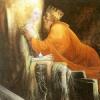
Before Romeo and Juliet, there was another pair of star-crossed lovers whose affair ended in tragedy but whose love story has been immortalised in literature and art. Inês de Castro was a 14th-century Castilian lady in waiting at the Portuguese court when she and Dom Pedro, the heir to the Portuguese throne, fell deeply in love. Their affair threatened to destabilise relations between Castile and Portugal, so King Afonso arranged to have her assassinated. When Dom Pedro became King, he disclosed that he and Inês had been secretly married and that she was his rightful Queen. Legend tells that he had her remains exhumed, seated on the throne, and crowned. Whether this legend is grounded in reality or not, Inês was reburied at the Monastery of Alcobaça, where she and King Pedro lie facing each other in matching tombs.
_thumb.jpg)
She has had the same hairdo for fifty years, but Queen Fabiola of Belgium has nevertheless moved with the times. From her childhood as a Spanish aristocrat during wartime to her experiences as a nurse to her marriage to the King of the Belgians to her long widowhood, her warmth, strength of character, and interest in her fellow human beings have ensured that she has become one of the most memorable and beloved Queens of the 20th century.
Protocol and Etiquette: a Very Royal Perspective
- By RoyalProtocol
- Published 11/21/2008
- Royal Ceremony and Protocol
_thumb.jpg)
If you've ever wondered what to wear, say, or do when you're in the presence of royalty, this article has the answers. From the correct way to respond to a royal invitation to the appropriate way to dress for the occasion to the secrets of the perfect bow or curtsey to the accepted form of address and the order of precedence, all the information you need to know is to be found here.
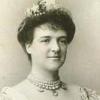
Queen Amelia of Portugal, a French princess born in exile in England, married the heir to the Portuguese throne, a throne that became increasingly precarious during her husband's reign. She tried to find a meaningful role as Queen but was constantly attacked by the republican press. Her husband and eldest son were assassinated in front of her, and when her younger son was deposed after a short reign, she left Portugal, the country she had come to deeply love, and ended her life as she had begun it - in exile.